
The common fixes: $150–$600
Elements, thermostats, thermocouples and valves: most cold showers end in this row.
No hot water is a today problem, so we treat it like one. Gas, electric, continuous-flow and heat-pump systems repaired same-day across Pymble, and when a system is genuinely done, you get the honest replace-versus-repair numbers, not a sales pitch.
Here is the industry’s quiet incentive problem: a thermostat is a modest job and a new system is a four-figure one, so guess which gets recommended to people standing in cold water. Yet the actual failure list is boringly repairable, electric tanks lose elements and thermostats, gas units lose thermocouples and pilot assemblies, continuous-flow systems flash error codes that decode to a sensor or a flow fault. Metered, tested and swapped, most of these are same-day fixes at a fraction of replacement money.
Our rule in Pymble is simple: the multimeter and manometer speak first. When the verdict is a part, you get the part. When a tank is genuinely at the end, cylinder weeping, second major failure, double-digit age: you get both numbers side by side and the reasoning in plain English. What you will never get is a replacement quote built on nothing but your cold shower and our convenience.

Rainwater is soft and often slightly acidic, which is easier on a cylinder than hard water in some respects and harder on the anode in others. Sediment carried from a tank is the bigger issue, it settles in the bottom of a storage unit and insulates the element.
Homes set well back from the road run lengthy drains that trap debris and are slow to clear without proper jetting gear.
On tank supply, flushing the hot water unit annually matters more than it does on mains, and a properly maintained filter upstream extends the life of everything after it.
Weak hot water in an older home is often diagnosed as a failing unit when the actual cause is the pipe leading to it, decades of internal corrosion narrowing the bore.
Early-1900s homes still run original earthenware sewers that crack and sag with age, snagging waste and backing up.
The test is simple: if the cold is strong and the hot is weak, the fault is on the hot side, and if the hot has declined gradually over years rather than suddenly, it is far more likely to be pipe than heater. Worth establishing before buying a new system.
Water heating is the second largest segment of household energy use, between 15% and 30% (energy.gov.au), so the unit fitted today stays on the bill for years. We quote the repair and the replacement together rather than defaulting to a like-for-like swap.
The honest constraint on a rural property is not the repair, it is the second trip. If a part is not on the van, the gap between diagnosis and fix is longer here than in the suburbs.
So we ask more questions on the phone for properties out this way, make, model, age, and what it is doing, specifically so the right parts travel with the plumber the first time.
A tank that no longer lasts the morning is usually not broken. Sediment builds in the base and insulates the element, so less of the cylinder is genuinely being heated, and the element works harder for a smaller result.
Flushing the tank restores much of it. If flushing does not, the household has grown or the habits have changed, and the honest answer is that the tank is now undersized rather than faulty.
Hot water systems give more notice than they get credit for. Rusty or discoloured hot water, a recovery time that has quietly doubled, a relief valve that has started weeping continuously, banging or rumbling from the tank, or damp around the base.
Any one of those is worth a look. Together they are a unit telling you to choose the replacement date yourself rather than have it chosen on a winter morning.
No hot water is listed among urgent repairs under NSW residential tenancy law. The landlord or agent must arrange it promptly, and your first call is to them.
If they cannot be reached, tenants can arrange urgent repairs up to a legislated limit and seek reimbursement. Keep the invoice and a record of your attempts to contact them, we itemise ours with times so it holds up.
Elements, thermostats, thermocouples and valves: most cold showers end in this row.
Gas valves and continuous-flow boards, worth doing on systems young enough to repay it.
Installed like-for-like. Gas storage: $1,200–$2,200 installed.
Installed. Hot water that never runs out, and no cylinder left to rust.
The cheapest to run by a wide margin: deserves a look at every replacement decision.
You see the repair number and the replacement number together, the decision is yours, made with both in hand. Figures here are indicative of the 2026 Sydney market rather than a quote from us, you get your own number as a fixed price before any work starts.

System type, age, and what it is doing: that is usually enough to bring the likely part on the van and tell you honestly whether today ends in hot water.
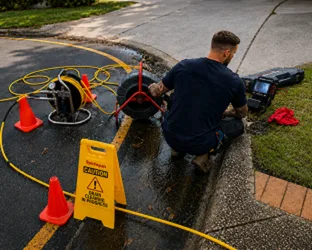
Elements get metered, thermostats tested, gas components checked in sequence. The diagnosis is what the meter says, not what sells best.
A repairable fault gets repaired on the spot. A dying tank gets you the repair price and the replacement price side by side, and the call stays yours.
If it is a replacement: delivered, installed to spec: tempering valve, relief drain, compliant connections: old unit carted away, hot water the same day in most cases.
Call before 10am and in most cases the water is hot again tonight. Describe the system and we bring the likely fix on the van.
Instruments before invoices, parts before replacements, and a fixed price before either.

Leave your details and our local Pymble team will call you back fast.